
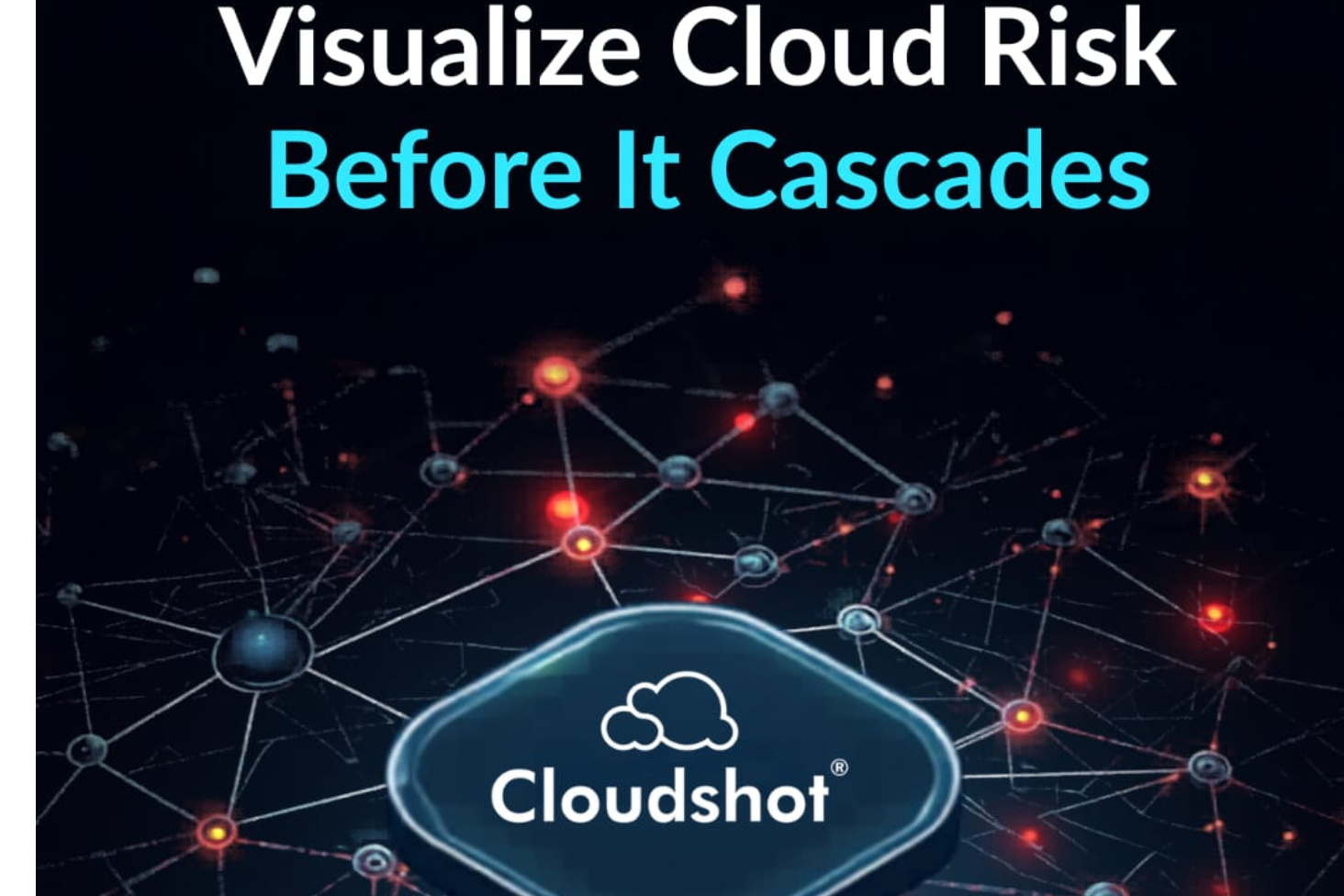
Cloud systems are built on interconnected services.
Each service depends on others for data, processing, and communication. This interconnected architecture enables flexibility and scalability.
It also introduces risk.
Because failures rarely remain isolated.
The Nature of Cascade Failures
A cascade failure occurs when an issue in one part of the system triggers failures in other dependent components.
This often begins with a small change.
A configuration update alters request handling.
A dependency responds slower than expected.
A retry mechanism amplifies traffic.
Individually, these events appear manageable.
But when they interact, they create a chain reaction.
One service slows down.
Another service compensates.
Traffic increases across dependencies.
System stability degrades.
By the time alerts appear, the failure has already propagated.
Why Traditional Testing Falls Short
Most deployment validation focuses on isolated checks.
Unit tests validate logic.
Integration tests verify service interactions.
Performance tests measure system behavior under load.
These approaches are necessary.
But they often evaluate components independently or under controlled scenarios.
They rarely simulate how changes behave across complex dependency chains in real environments.
As a result, systems pass tests but still fail under real conditions.
The Missing Perspective: System Behavior
Understanding cascade failures requires visibility into system-wide behavior.
It is not enough to know that a service works.
Teams must understand how that service interacts with others under changing conditions.
Key questions include:
What happens when this service slows down?
How do dependent services react?
Does traffic amplify or stabilize?
Where do bottlenecks emerge?
Without answers to these questions, deployments carry hidden risk.
Simulating Failure Chains Before Deployment
Predicting cascade failures requires shifting analysis earlier in the deployment lifecycle.
Instead of observing failures after they occur, teams simulate how a change propagates through the system.
Cloudshot enables this by mapping dependencies and modeling behavior before deployment.
When a change is introduced, teams can:
Visualize affected services
Trace downstream dependencies
Identify potential bottlenecks
Observe how load shifts across the system
This transforms deployment validation.
Teams move from verifying individual components to understanding system-wide impact.
A Practical Example
Consider a change to a service handling API requests.
The update slightly increases response time.
Individually, the change appears acceptable.
However, in a connected system:
Dependent services experience increased latency.
Retry mechanisms generate additional requests.
Queues begin to accumulate.
Autoscaling triggers across multiple services.
Without simulation, these interactions remain hidden until deployment.
With failure chain simulation, the sequence becomes visible beforehand.
Teams can adjust configurations or architecture before releasing the change.
Prevention Through Visibility
Cascade failures are not unpredictable.
They are the result of interactions between services.
When those interactions are visible, risk becomes manageable.
Cloudshot provides this visibility by simulating how changes affect the entire system.
Instead of reacting to incidents, teams anticipate them.
From Reaction to Prevention
Modern cloud environments demand proactive reliability.
Organizations that understand how changes propagate across their systems can prevent incidents before they occur.
Predicting cascade failures is not about eliminating complexity.
It is about making system behavior understandable.